All Categories
Featured


Increase Property Value With Smart Staging Tips
Let's resolve an example with $7,000 monthly gross earnings: Optimum real estate payment (28 percent): $1,960 Optimum total debt payments (36 percent): $2,520 If you have $400 in existing debt, you have $2,120 readily available for housingSubtract estimated property taxes ($300), insurance ($150), PMI if relevant ($125)Staying for principal and interest: $1,545 At December 2025's rate of 6.22 percent for a 30-year fixed mortgage, that $1,545 monthly payment supports a loan quantity of around $260,000.
They 'd calculated their home mortgage payment exactly, factored in real estate tax and insurance, and felt positive. Then the bills started arriving. House owners association costs: $295 regular monthly (not included in their original spending plan)Lawn care and landscaping: $150 regular monthly (they 'd never cut a yard before)Higher energies than their old house: $220 month-to-month extraImmediate repair work the evaluation didn't capture: $3,800 in the very first 3 monthsFurniture and window treatments for a larger space: $8,500 That's $665 in additional monthly expenditures they hadn't totally prepared for, plus almost $12,000 in one-time expenses.
According to the U.S. Energy Information Administration, typical regular monthly energy costs break down as: Electricity: $110 to $145 monthlyNatural gas: $65 to $95 monthlyWater and sewage system: $70 to $100 monthlyTrash collection: $25 to $40 monthlyInternet and cable: $80 to $120 monthlyTotal approximated utilities: $350 to $500 month-to-month, depending upon home size, age, and place.
Residential or commercial property taxes are worthy of unique attention because they vary hugely across the country. According to the Tax Structure, reliable real estate tax rates vary from: New Jersey: 2.47 percent of home value annuallyOn that $350,000 home we went over: In New Jersey: $8,645 annually ($720 monthly)In Texas: $6,090 each year ($507 regular monthly)In California: $2,590 each year ($216 month-to-month)That's a $504 month-to-month difference between New Jersey and California on similar home worths.
The down payment is one of the most significant problems for individuals who wish to purchase a home, and it's become worse in the last few years. NAR's data from 2025 shows that first-time purchasers made a mean down payment of 10%, which is the highest level because 1989. Let me simplify this for you: you have a number of deposit choices depending on which loan program you pick: Conventional loans: 3 to 5 percent minimum, though 20 percent prevents private home loan insuranceFHA loans: 3.5 percent minimum with 580+ credit report, 10 percent with 500-579 credit scoreVA loans: 0 percent deposit for eligible veterans and active militaryUSDA loans: 0 percent down payment for qualified rural and rural propertiesIf you can accumulate a 20 percent down payment, you unlock a number of advantages: No private mortgage insurance coverage (PMI), conserving $100 to $200+ monthlyLower interest rates, generally 0.25 to 0.50 percent below smaller sized down paymentsSmaller loan amount means lower monthly paymentsStronger working out position with sellersMore equity protection if market worths declineOn a $350,000 home with 20 percent down: Monthly principal and interest at 6.22 percent: $1,721 Total month-to-month payment with taxes and insurance coverage: $2,321 Compare that to 5 percent down on the exact same home: Regular monthly principal and interest: $2,045 PMI: $138 regular monthly (roughly 0.5 percent yearly)Total regular monthly payment with taxes and insurance: $2,733 The 20 percent down payment conserves you $412 month-to-month, or $4,944 yearly.
Ways to Manage Large Relocation LogisticsHow Professional Relocation Logistics Help the 2026 Transition
However, saving that additional $52,500 may take you another 3 to 4 years, throughout which time home rates might appreciate substantially and rates of interest could rise. This is the issue that purchasers always have: should they save more and wait, or purchase quicker with a smaller sized deposit and higher regular monthly payments? There is nobody right response; everything depends upon how much your market appreciates, what instructions rate of interest are going, and your own monetary scenario.
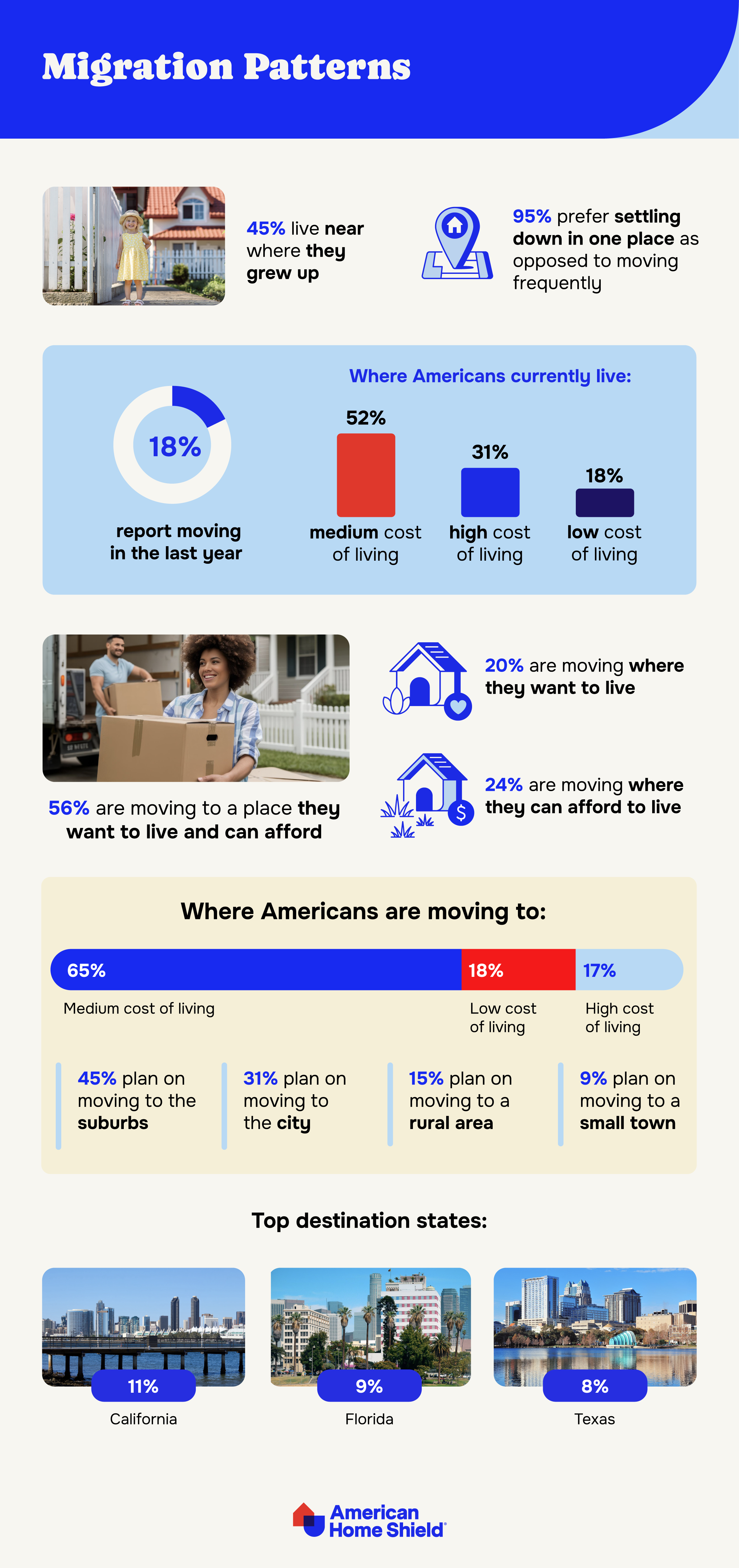
These programs normally offer: Grants that never ever require payment (frequently income-capped at $85,000 to $95,000)Low-interest 2nd home loans with deferred payment until you offer or refinanceMatched savings programs that multiply your contributionsTax credits that decrease your yearly tax problem by $2,000 to $3,000 The U.S. Department of Real Estate and Urban Development partners with state and local real estate finance companies to administer many of these programs.
The majority of programs require you to: Complete a home purchaser education course (usually 6 to 8 hours, typically offered online)Purchase within particular geographic areasMeet earnings limitations (often 80 to 120 percent of area average earnings)Use the home as your main home for 3 to 5 yearsCommit to specific loan types (typically FHA or traditional)To find programs in your area, visit and search by zip code, or contact your state real estate financing firm directly.

Latest Posts

Maximizing Your Space With 2026 Organizing Trends
Increase Property Value With Smart Staging Tips

Effective Relocation Strategies to Success